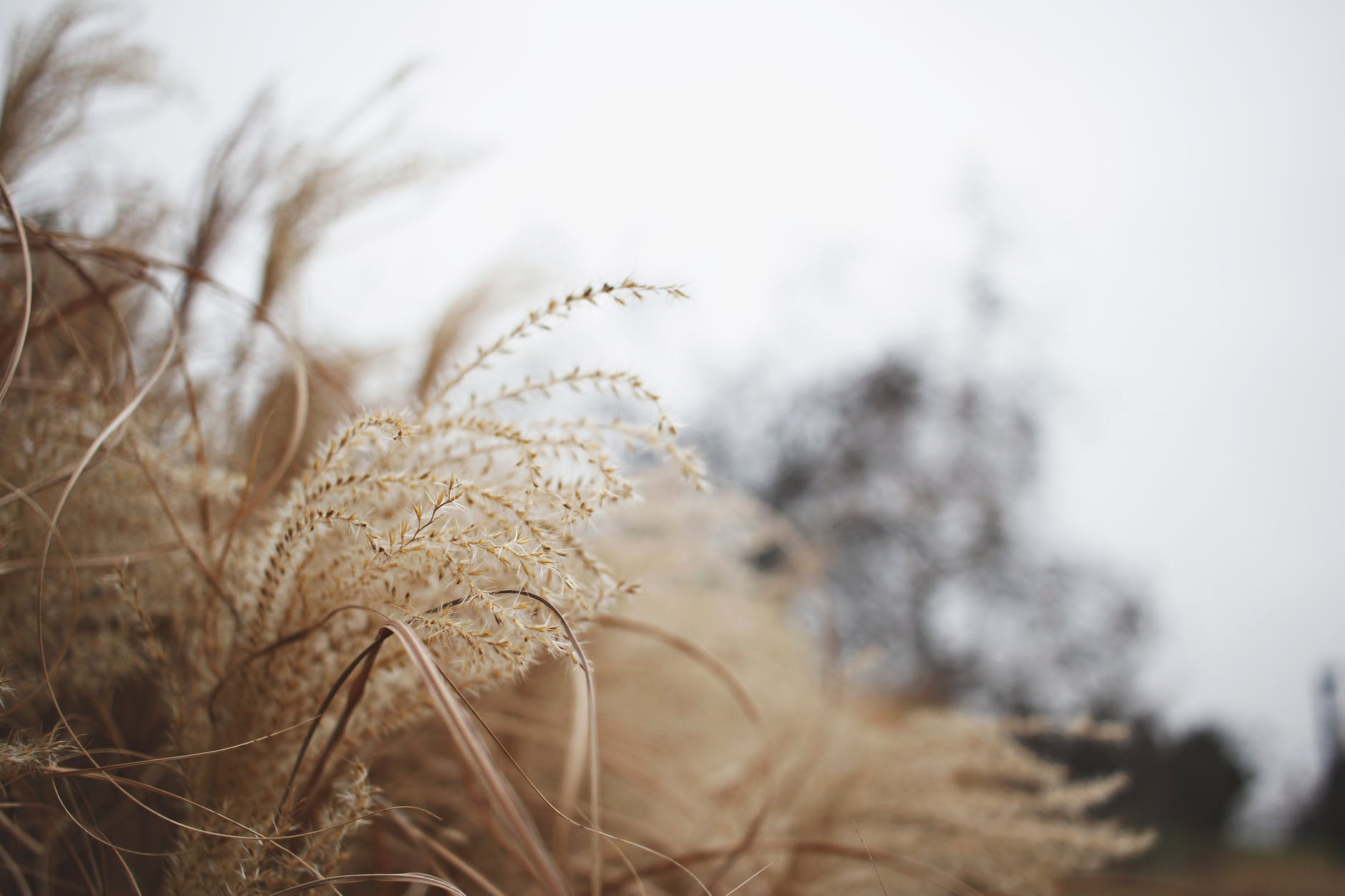
not in the weeds, the weeds are in me, so to speak

Photograph of weeds by Shelagh Murphy on Pexels.com

Summer teaching started for me this week. Excited to start new conversations and encourage young writers to engage with articulating their authentic selves while navigating the rules of different spaces. Am exhausted, won’t lie, but that’s also the life.

Did want to share two quick things:

First, here’s another article to help navigate the ever-evolving pandemic we’re in. I worry I alienate people by coming back to the high stakes we’re living in, but then I wouldn’t be staying true to myself if I didn’t. I mean, carrying on like things can go back to “normal” alienates me, so, really, this be quid pro quo, no?

Second, here’s a poem I found while seeking out ideas for a post this week:

thank the weeds
for pulling you
closer to the flowers

(Rich Heller, Lilliput Review)

I purposely share it with my aforementioned sense of feeling alienated and like a harbinger of doom. In my case, I’m working out the weeds of worry and survival, all of which doesn’t bring me down, not exactly. It brings me down and it makes me look up and value what we’re surviving for.

Here’s to the weeds.

Abrazos,

José
book news & co.

Excited to share that my next book, we say Yes way before you, is forthcoming from Black Lawrence Press in March 2020! You can read about the project as well as two poems from it in this profile. Special thanks to Diane Goettel and the BLP crew for being so welcoming!

Photo of a pair of traffic lights on green by Raphael Brasileiro on Pexels.com

Been sitting on this news for a few weeks. I actually got the phone call a day or two before we moved all our belongings to a new city. I’ve been going through a difficult time specifically in terms of how I see myself as a writer. Getting this news was a win I didn’t know I needed.

Part of this new book process has me writing for permissions, something that is new to me and which this article by Jane Friedman gives invaluable advice about. Along with learning a new literacy and genre of writing, there’s the work of reconciling the metaphor in the language, the word permission itself. I often get stuck in such conceptual/metaphorical tangents while doing the “office work” type of things of a writing life. The very language of publication–submission, rejection, acceptance, etc.–is charged with (un)intentional and telling meaning.

One last thing to share: I’ve begun reading bell hooks’ Teaching to Transgress and have been floored by how much I’m connecting with the book. It helps to see someone else do work in the classroom that I have felt self-conscious about, like connecting and wanting to reflect and honor the knowledge students bring with them.

’til next time,

José