

This week I offer up a new lyrical alignment1. This time I’m working with a quote by artist, Richard Serra who died earlier this spring.
In what became “What It Comes Down To (below),” I found myself drawn to a counted verse approach, specifically working out couplets consisting of a 3 word line followed by a 4 word line. I like how Serra’s stark words breathe across couplets. Since he’s talking of obsession and repetition, both of them come through even further with the added white space.

What I get out of Serra’s words here deals mainly with presence. Obsession and repetition here relate to presence in that they are an insistence of it. Obsession insists on presence in terms of attention; repetition insists on presence by embodying it. Serra is making a point about how obsession leads to repetition, which is attention leading to embodiment.
So much of art as well as living feels split in this way. Whenever we make time to do our art, that is a decision of attention; the art that comes from it is embodiment. Whenever we make time to do things for ourselves–outside of obligations, paying bills, chores, etc.–a similar attention and embodiment occur.
But what is made present after all our efforts?
That’s the poetry of it, I believe.
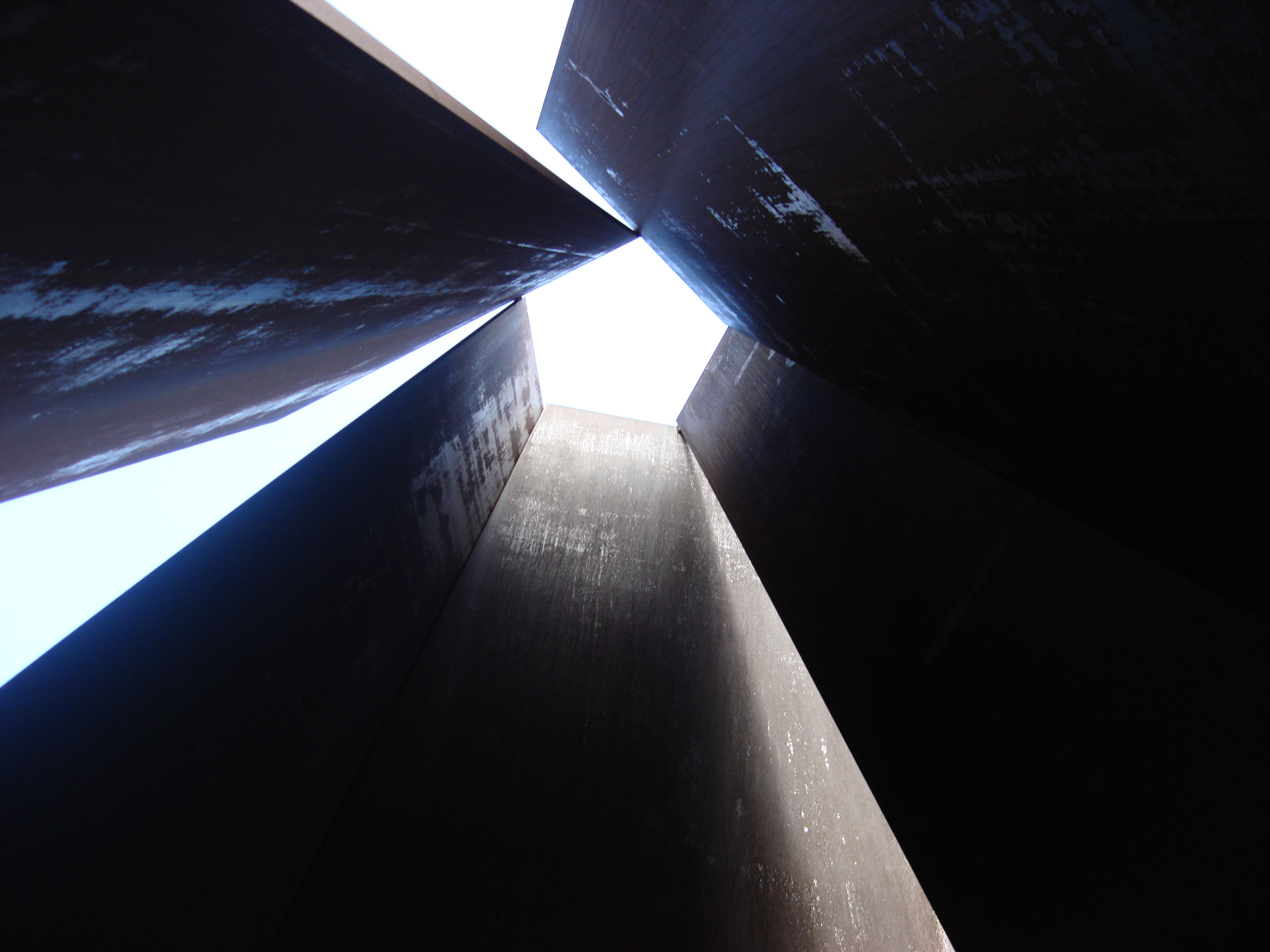
What It Comes Down To
a found poem based on a quote by Richard Serra
Obsession is what
it comes down to.
It is difficult
to think without obsession,
and it is
impossible to create something
without a foundation
that is rigorous, incontrovertible,
and, in fact,
to some degree repetitive.
Repetition is the
ritual of obsession. Repetition
is a way
to jumpstart the indecision
of beginning. To
persevere and to begin
over and over
again is to continue
the obsession with
work. Work comes out
of work. In
order to work you
must already be
working.
Abrazos,
= José =
- For the record, what I term here as a lyrical alignment falls under the category of found poetry. I typically take a quote or excerpt of prose, then work it out into lines. I find that working with other people’s words allows you to focus on pacing, enjambment, breaks across line and stanzas, etc. without worrying about “saying” something.
The cool thing has been said; this is just poetic celebration. ↩︎
 The Influence