Some quick thoughts and sharings from this week:
- As many of you know, I’m a board member of CavanKerry Press, and I’m excited about the work done by this literary organization. During the COVID-19 pandemic, they’ve managed to maintain their staff and publishing schedule, while conducting various community outreach events virtually. They are currently doing a fundraiser which I encourage y’all to check out at their site along with their current collections. They also have some of their literary anthologies available for free electronically.
- One win for the week was getting the laundry done just before the machines were replaced in our building. And when I say just before, I mean JUST before–like, I came back to get things out of the dryer and the washers were gone. And if this doesn’t seem like a win to you, we’re not living in the same pandemic.
- Spent some time discussing Edna St. Vincent Millay’s sonnet “What lips my lips have kissed…” with my students this week. I shared my would-be-in-conflict-if-it-wasn’t-me ideas of needing to look into the tradition of the sonnet while also subverting it for their own contemporary ends–like seriously let’s shut down the tradition of sonnets centered around the male gaze and the needing to sound clever and Shakespeare-like and have sonnets about chanclas!!! One student contributed to the spirit of this by making us aware of a volta before the volta–volta meaning the turn in argument that a traditional sonnet has. While the standard volta happens at the line “Thus in the winter” where the poem’s image parallel of the lone speaker and lone tree comes into play, there is what I would term a minor turn earlier at the line “And in my heart…” where the speaker goes from looking outside to looking at what she feels inside. Check it out and see what you think 🙂
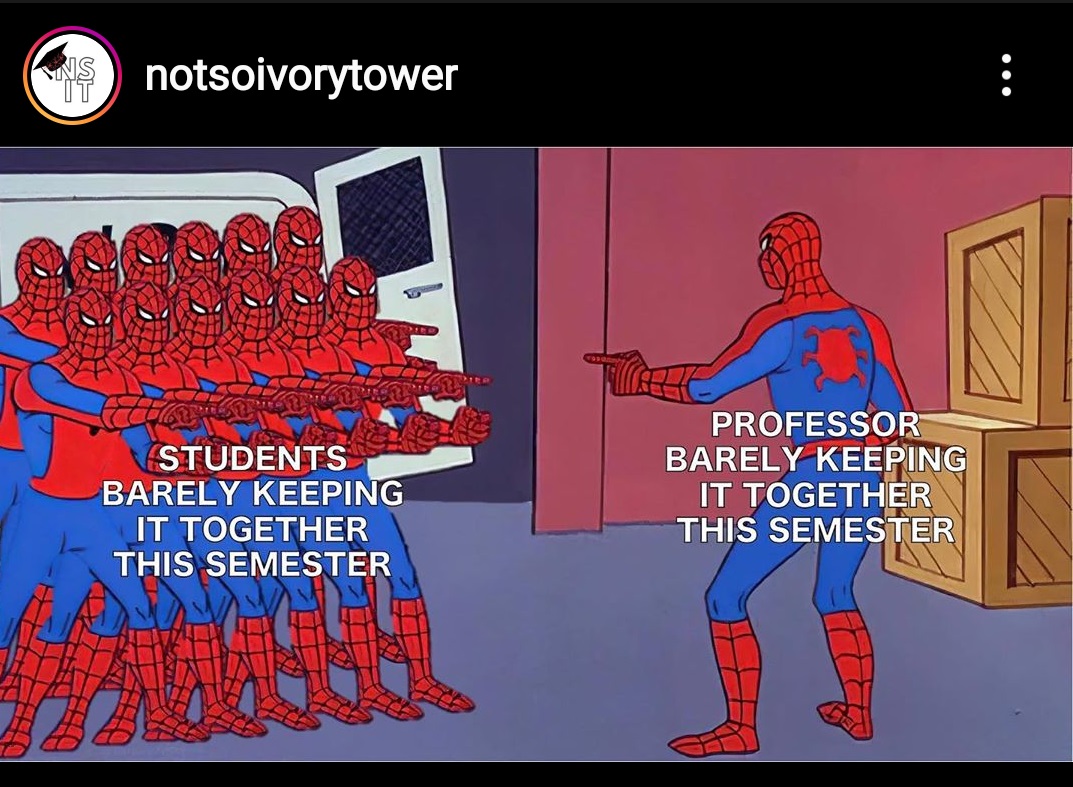
Been sharing the meme below with students. I share it with you hoping that if you feel called out, know that you matter. Let’s keep keeping it together together.

 The Influence