More Colorful, More Alive

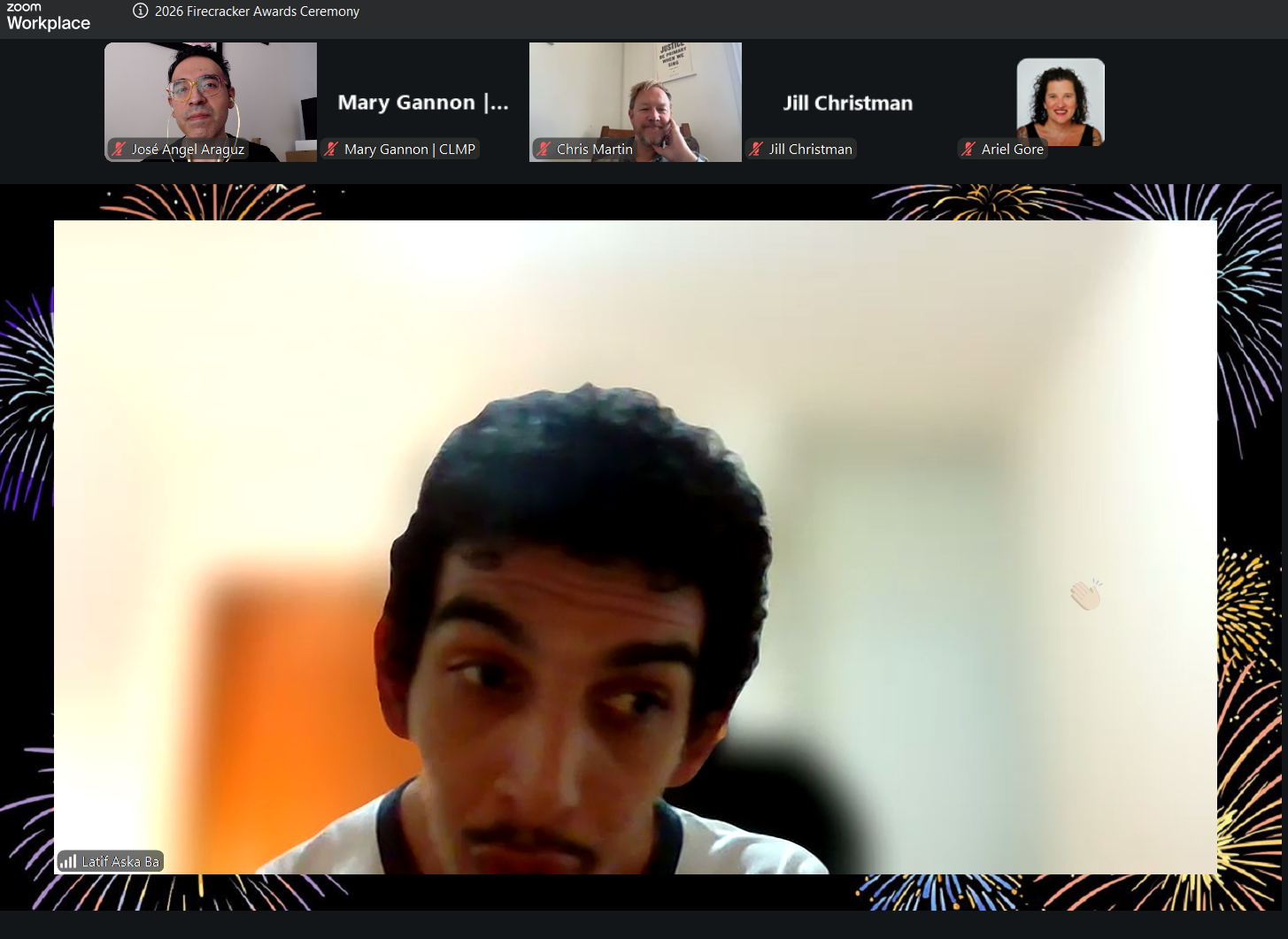
On June 25, I had the honor of joining the virtual ceremony for the 2026 Firecracker Awards. I served as one of this year’s poetry judges alongside Danny Caine and Esther Lin, and I was grateful for the opportunity to help announce the finalists and winner during the ceremony.

This year’s Firecracker Award in Poetry went to The Choreic Period: Poems by Latif Askia Ba, published by Milkweed Editions.

Here is the citation from the poetry judges:
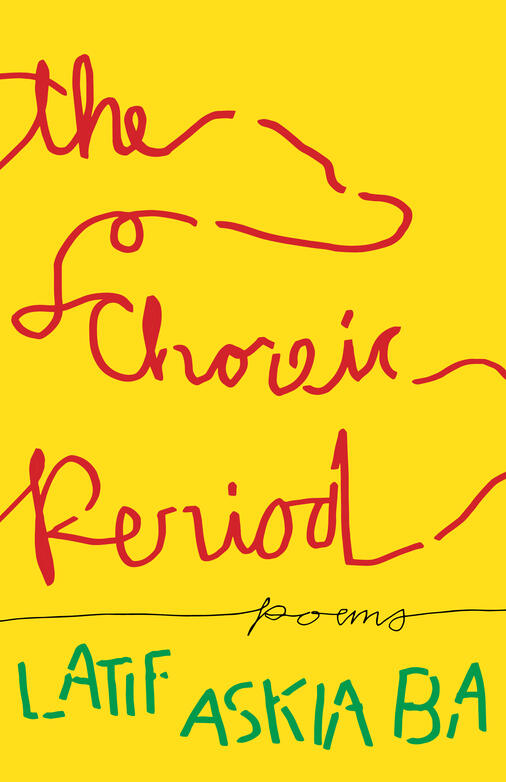
[Cover of The Choreic Period: Poems by Latif Askia Ba. Image courtesy of Milkweed Editions.]

The Choreic Period is a striking contribution to contemporary disability poetics, challenging ableist reading habits and expanding what poetic accessibility and difficulty can mean. We were moved by its pared-down nature, its illustration of the relationship between syntax and disability, and its innovative formal elements, including interruptive punctuation, staccato lineation, multilingual code-switching, and deliberate difficulty. Its force and voice made this conceptually sharp, powerfully embodied book a clear choice for the Firecracker Poetry Award.” —from the judges

Congratulations to Latif Askia Ba and Milkweed Editions, as well as to all five poetry finalists and this year’s winners and finalists across genres. The full list of 2026 Firecracker Award winners and ceremony highlights is available through CLMP.
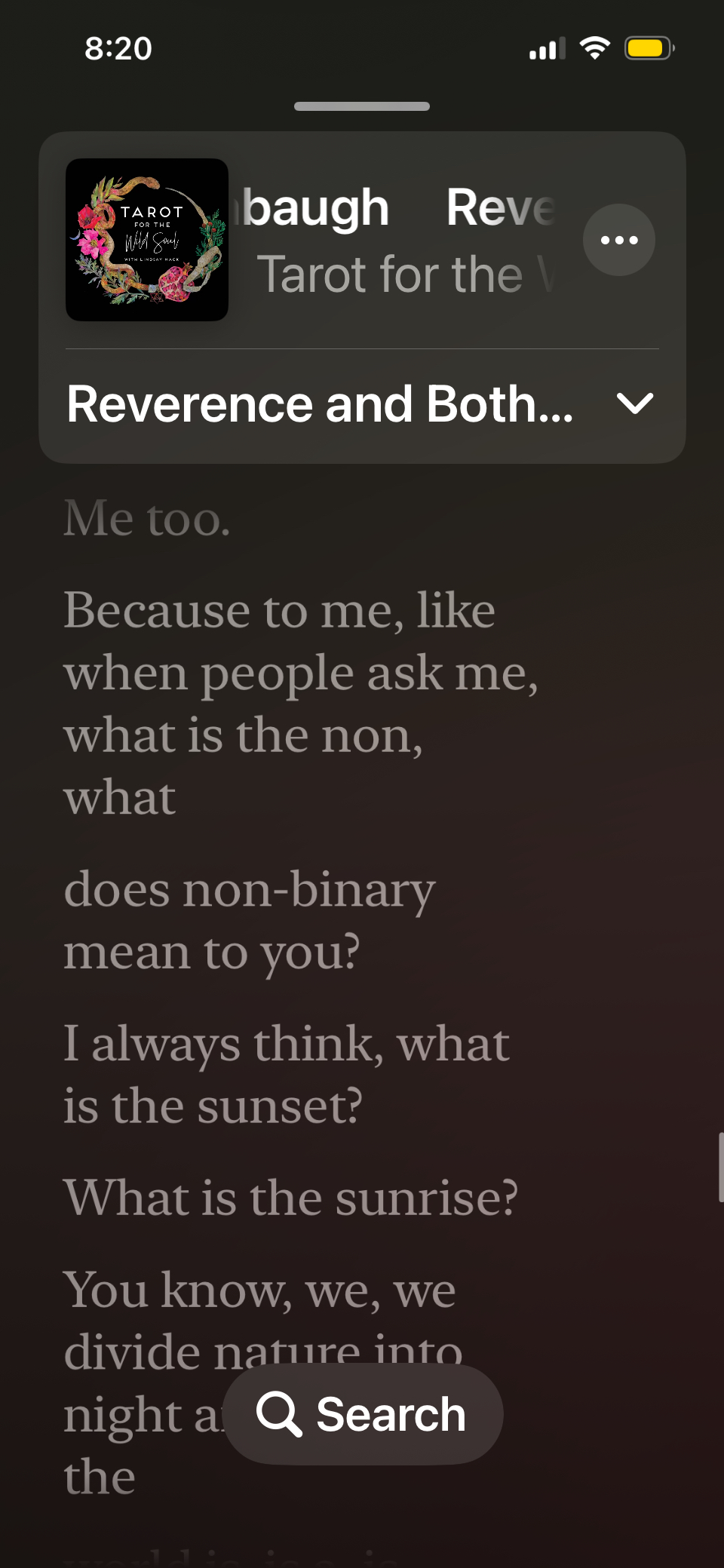

Elsewhere this week, I listened to episode 318 of Lindsay Mack’s Tarot for the Wild Soul, “Nature as Medicine with Willow Defabaugh.” During their conversation, Willow Defebaugh speaks about the relationship between queerness, nonbinary identity, and the natural world.

As Pride month approaches its close, I keep returning to Defebaugh’s description and how it paints nonbinary life not as a position between two fixed poles, but as part of a world that moves as a wheel.

The following found poem came from a passage in the episode transcript.

more colorful, more alive

after Willow Defebaugh

When people ask me,
What does nonbinary mean to you?

I think:
What is the sunset?
What is the sunrise?

We divide nature
into night and day,

but the world
is a wheel.

That is the beauty
of the world, truly.

When is the sky
more colorful,
more alive?

Found from words spoken by Willow Defebaugh in “Nature as Medicine with Willow Defabaugh,” an episode of Tarot for the Wild Soul hosted by Lindsay Mack. Selection, title, lineation, and light editing by José Angel Araguz. Verbal fillers and false starts have been removed.


These two encounters stay with me differently, but they touch at the level of form. Each asks what becomes possible when inherited divisions are no longer treated as natural, neutral, or complete.

The world is a wheel. Language moves with the bodies and the lives that speak it. At the places where our customary divisions give way, the sky might become more colorful, more alive.
three invitations to look

Last fall, one of my poems, “Confessions of a Former Scarecrow,” was featured as part of Prairie Schooner’s Intern Picks series. I’m grateful to have the poem receive that attention and wanted to share it again here as I continue thinking about looking, attention, and transformation in relation to my upcoming workshop.

You can read the feature here:
Prairie Schooner Intern Picks Fall Feature

And the poem here:
“Confessions of a Former Scarecrow”

Here is a stanza from the poem:

I’m not a man but a wariness,
a warning to keep clear of the field.
I stand, friendless—what friends, tell me,
are apple trees, a trail of leaves,
the wasted weather, these apples worn
to a sun-brown, and then just brown,
a rot and musk—everyone reeks
to me, no man, half-made of air.

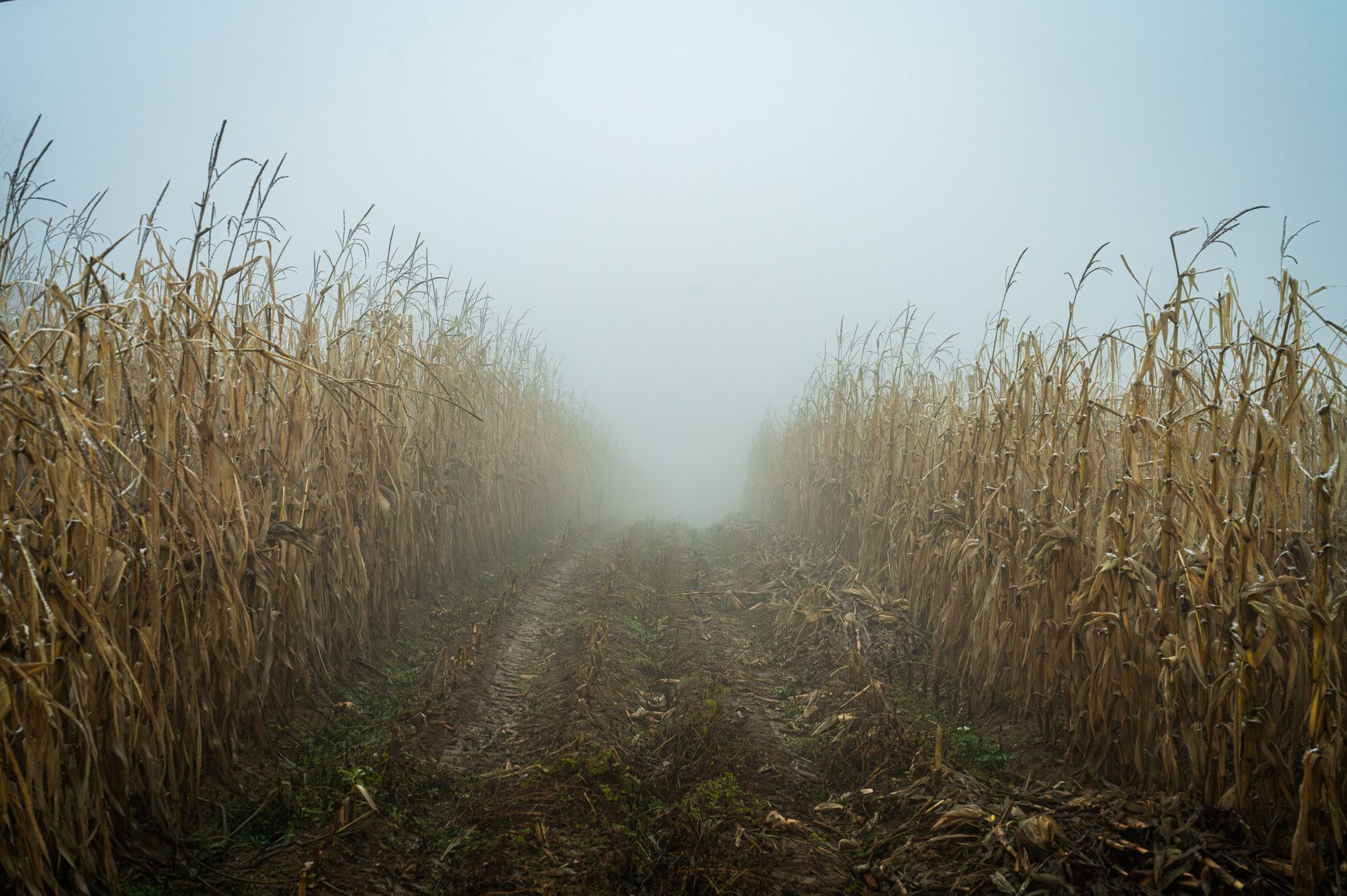
Photo by Septimiu Lupea on Pexels.com

Returning to this stanza now, I’m struck by the way the speaker looks out from a transformed state. The poem does not simply describe a scarecrow; it lets the speaker become a field of wariness, warning, weather, rot, and air. The act of looking here is shaped by estrangement. The speaker sees from the edge of personhood, or from a place where personhood itself feels unstable.

That feels connected to some of the questions behind my upcoming workshop, “Look / Mira: Latinx/e Ways of Looking in Poetry & Prose.” What happens when looking is not neutral? What happens when the gaze is shaped by memory, body, place, fear, language, or transformation? How might a poem or essay allow us to see from a position we could not otherwise name?

I’m interested in writing that lets looking become more than description. Looking can become pressure. Refusal. Witness. Inheritance. A way to survive. A way to change shape.


A Community Event This Weekend

I also want to share information about a literary event happening this weekend in Cambridge:

Be a Phoenix: A Tribute to Gazan Poet Heba Al-Madhoun
Sunday, June 7
3:30–5:30 PM
The Foundry
101 Rogers St, Cambridge, MA 02142

The event invites the Boston-area literary and academic community to gather in tribute to the late Gazan poet Heba Al-Madhoun, whose newly translated poems are being brought to readers here.

Poet and editor Devin Johnston writes of her work:

“These poems are quite lovely and moving. I love their exploratory, searching quality, through matters of feeling. My points of reference for Arabic poetry are all too few, but I do think of Adonis (and a few other Damascus poets) in some of the features here. But Heba Al-Madhoun’s poems are a little less mythic and declamatory, a little more quiet and questioning. … a very worthy project, for the work itself, and for the work it would do for readers.”

Tickets are free, with advance reservation requested.

Register here:
https://givebutter.com/heba-memorial


Workshop Reminder: Look / Mira

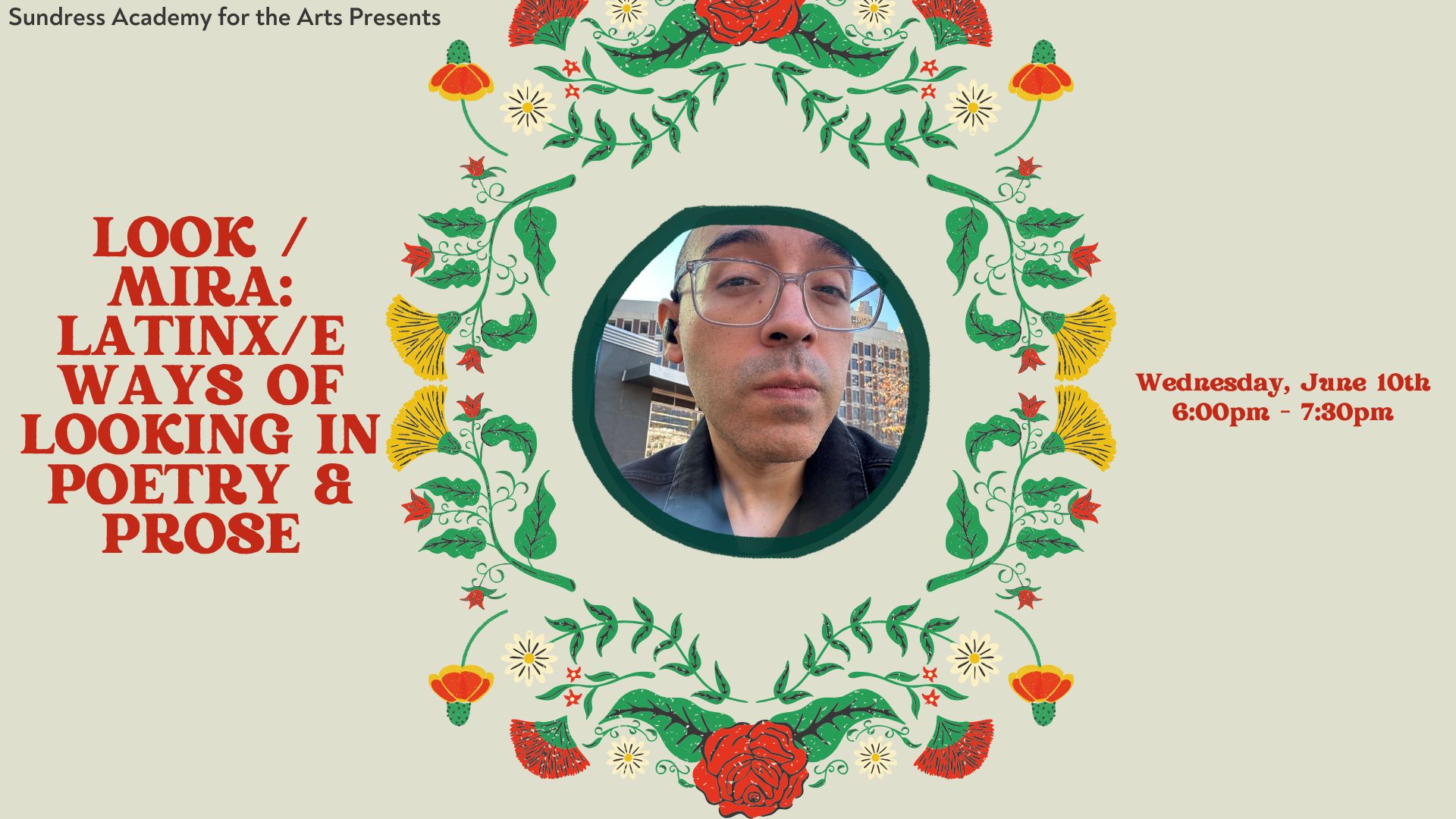
Lastly, a reminder that I’ll be leading a free virtual generative workshop next week through the Sundress Academy for the Arts:

Look / Mira: Latinx/e Ways of Looking in Poetry & Prose
Wednesday, June 10
6:00–7:30 PM EST
Online via Zoom

In this workshop, we’ll think about looking as a way of writing: looking as inheritance, looking as refusal, looking through place and body, and looking toward what might still be possible. We’ll read brief excerpts, write from guided prompts, and make space for poetry, prose, fragments, lists, memories, and hybrid forms.

Participants can register and access the free event here:
http://tiny.utk.edu/sundress
Password: SAFTA

I hope to see some of you there.