poetryamano project: june 2017

This week I’m sharing another installment archiving my Instagram poetry project entitled @poetryamano (poetry by hand). This account focuses on sharing poems written by hand, either in longhand or more experimental forms such as erasures/blackout poems and found poems.

Below are highlights from June 2017. This month found me going further with erasures. Along with continuing to work out of a true crime book, I also did three tarot-themed erasures.

Be sure to check out the previous installments of the archive – and if you’re on Instagram, follow @poetryamano for the full happenings.

Stay tuned next week for more of the usual Influence happenings. For now, enjoy these forays into variations on the short lyric!

june 2017 1.1

june 2017 1.2

[On the above two pictures: The Hanged Man was the first card I felt connected with in tarot. My wife drew it for me before a trip during a difficult time in my life. I was to be on my own, and the card asked me to ground myself (thaw out) in my writing. It was a powerful experience.]

june 2017 2

june 2017 3

[On the above picture: Found poem made, literally, by hand (my hand’s blocking the rest of the text).]
june 2017 4.1

june 2017 4.2

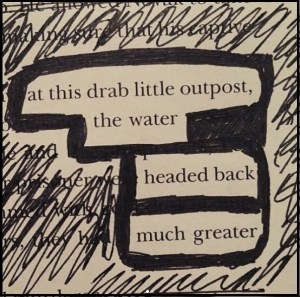
[On the above two pictures: Continuing with the tarot-themed erasures, here is IX The Hermit. I’m connected to this card in three ways, and its message of being a beacon for others means a lot to me, especially during times where I find myself naturally at a distance from others, or simply not fitting in. My wife took the card photo in answer to the question “Which card would you date?” Bless her for hanging out with me on the mountain. Also: My big ol’ noggin is in caricature in the background of the second pic! ]
june 2017 5.1

june 2017 5.2

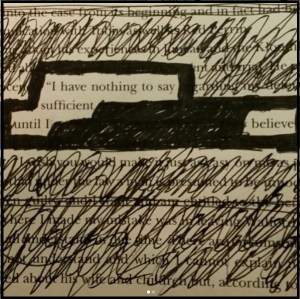
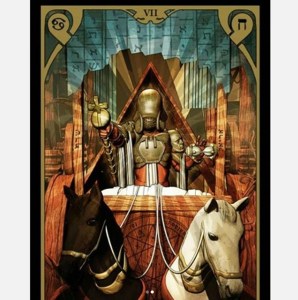
[On the above two pictures: Another tarot-themed erasure, this time focusing on the Chariot and the idea of motion in my writing. That each poem is a response to a belief, in the word and myself.]
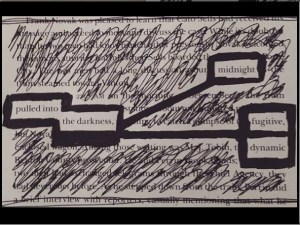
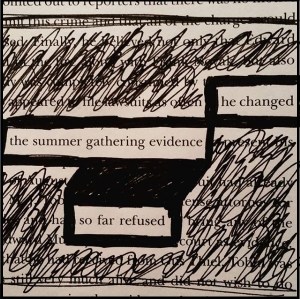
june 2017 6

june 2017 7

*

Happy amano-ing!

José

rereading with Galway Kinnell

One of my favorite things about a reading and writing life is exploring how meaning gathers around words and self when we first read something, and then dwelling on how that changes when we reread things. The shifts between a first read and a rereading – especially when the two experiences are years apart – can be as dramatic as the shifting between tectonic plates, or as subtle as a turn of light as the afternoon grows late.

9e8a8c44c4993ee64a4ba7df33216760702591854108342563.jpg

This train of thought naturally invites parallels with life, which is where this week’s poem, “Lost Loves” by Galway Kinnell, comes to mind. This poem invokes the idea of its title and then goes into unexpected specifics. First, Kinnell’s apt and inventive phrasing of “I lie baking / the deathward flesh in the sun” evokes a languishing sense of mortality. “Deathward” works both on a philosophical level as well as on an emotional one. The word makes one think about the biological functioning of the human body, about what is inevitable. The image of a door “banging in the wind” then leads to specific street names and poem titles which are, in this context, cast as lost loves.

The second section upends this somber dynamic by hitting different notes. Suddenly, the speaker is able to “rejoice”; suddenly there is change. When we get to the intense, primordial image at the end, life itself has shifted and is reread into something raw and hopeful. Love is not lost then, but recovered in the living.

Lost Loves – Galway Kinnell

I.

On ashes of old volcanoes
I lie baking
the deathward flesh in the sun.

I can hear
a door, far away,
banging in the wind:

Mole Street. Quai-aux-Fleurs. Françoise.
Greta. “After Lunch” by Po Chu-I.
“The Sunflower” by Blake.

II.

And yet I can rejoice
that everything changes, that
we go from life
into life,

and enter ourselves
quaking
like the tadpole, its time come, tumbling toward the slime.

*

From Collected Poems