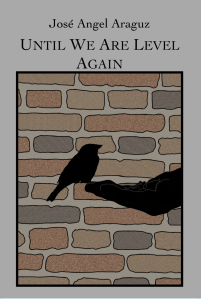
 As preparation for the Oregon Book Awards ceremony, finalists are asked to prepare a few words, under two minutes, to say just in case. I gave my words a lot of thought and, though I did not win, I feel like sharing these words with you here below.
*
OBA (non)acceptance speech
I first moved to Oregon in 2007. I had just battled through an MFA program and gone into one of the darkest times in my writing life. I didn’t come close to quitting, no. I came close to not sharing again, and not knowing how to share. In Eugene, where I found myself in this stew of writerly feels, I slowly reclaimed my writing life. Got into my habits of revision, into trusting my own voice and choices. I met some great writers who have become dear friends. I also got married and divorced in Eugene, but that’s another story. Read the books, ha. When I was in Ohio later, completing a PhD, I drew upon those rain soaked lessons to see me through the ups and downs of academia. Oregon, you taught me how to fight for my writing. I’ve been back here two years, and in that time I’ve seen libraries close in parts of the state. I’ve worked with public school teachers who speak of creative writing not being a priority in the curriculum. I’ve felt the pangs of grief as small colleges struggle and close. What I have to say tonight is: Oregon, fight for your writers. From a poet whose family comes from Matamoros, Mexico, and whose poems are about surviving the projects of Corpus Christi, Texas, receive my gratitude but also my respectful wish. That the writing spirit that kept me going when i needed it, keep you going, too. I want to thank everyone who has fought for me, everyone who has read my work and reached out, either via email or at a reading. Writers, we carry each other. I also want to thank everyone who fights for their poems everyday. Poetry makes it so that the fight feels nothing like a fight, but like the gift we didn’t know we could be a part of. Muchisimas gracias. No contaban con mi astucia.
*
Más soon!
José
 In my recent
  The Influence