writing prompt: predictive text

Back to teaching full time this week. Been exciting and inspiring, while at the same time very real. What I mean is that the more I teach, the more I feel myself be more myself. And it’s not a thing I can summon or call forth. The space held in shared open questioning and conversation calls it forth.

Tangentially connected, at one point this week I watched this interview and supplemental writing “exercise” clips between Trevor Noah and Amanda Gorman that are illuminating. In the interview, Gorman speaks of poetry as water, a way to “re-sanctify, re-purify, and reclaim” the world around us. Her inaugural poem, “The Hill We Climb,” and its consequent impact on our American conscience at this moment in time are a solid gesture and step in the direction of this work.

In the second clip, Noah and Gorman engage in a predictive text writing exercise. It’s the kind of thing I see on Twitter sometimes and can’t help but join in on. Engaging directly and purposefully with predictive text can at times feel like having an echo of your latest obsessions as well as the way you articulate yourself in daily life cast back at you. Sometimes the screens in our hands look back, yo.

Noah and Gorman’s parameters were to start with the word “Roses” and limit themselves to 15-20 words. I went ahead and tried a few of my own. Feel free to share in the comments should you try this out yourself 🙂
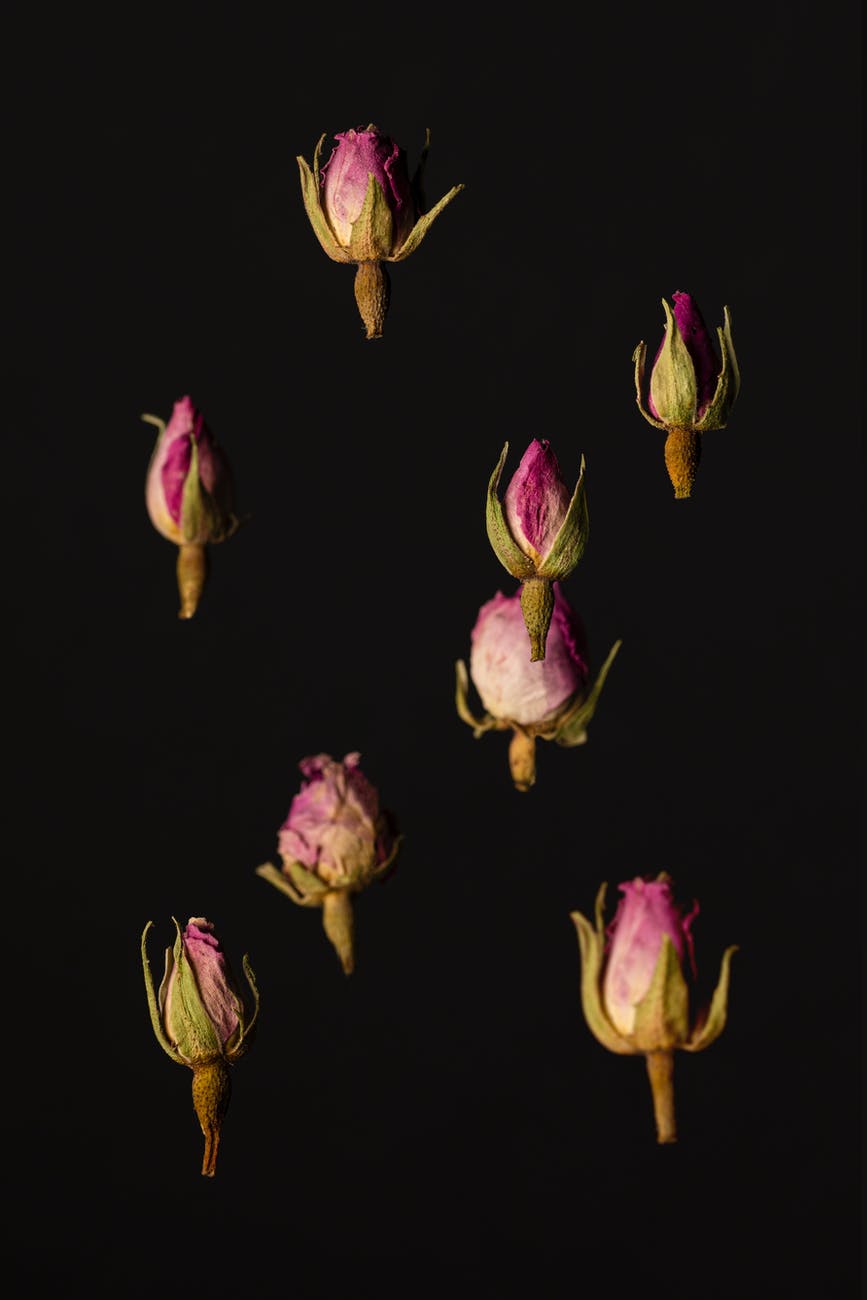
Photo of roses by Aleksandar Pasaric

exercises in predictive text

Roses and the other one of my friends that I nominated for an oppositional the same situation that is

*

Roses are you doing well today so much going to congratulate someone to take care if you have a great weekend

*

Roses and I have a few things I would do anything to make sure you got the most important part
what I cannot call hope

Another round-up of thoughts as I’m finding myself consistently and effectively overworked but wanting, needing to connect, to word here:

  • That it’s been hard to hear others speak of hope this week.
  • That it’s been hard to hear others sign off on emails with some reference to vaccines being “on their way!” As if they had a hand in the accomplishment. As if it brought loved ones back.
  • That it’s been hard to feel what I cannot call hope but can neither call despair.
  • That it’s been hard to hear others share that they feel relief for the first time in four years.
  • That I’ve been feeling what I cannot call hope but can neither call defeat much longer than four years.
  • That what I cannot call hope has me like the speaker of this poem by Rio Cortez, wary, certain while also uncertain of what’s there ahead.
A close-up photo of birch by Harrison Haines

This be stark, I know. Times be, too.

Something that brought some insight and inner movement was the latest letter, “On Resolutions,” by Aurielle Marie in their “series of 10 dedicated to engaging The Offing’s literary network in social justice and a value shift toward equity within [their] respective organizations.” In this letter, Marie pushes against the usual practices of New Year’s resolutions, which typically emphasize discipline while arousing shame and fear, and shares how:

It would serve us all better to start our year with an acute awareness of how we want to live it, to be loved inside of it, to learn from it, and to lose ourselves within it. What do you want — really want — for this country and our world in the new year? What political goal or dream comes to mind when you allow yourself the capacity to imagine?

Aurielle Marie

This sentiment gives me something I cannot yet call hope, but I want to, as it implies ways that hope can be sparked, invited, gestured, and called forth from within who we are and where we’re at.

Wherever you’re at, may you be kind to yourselves.