In my recent microreview & interview of Tina Cane’s Once More With Feeling (Veliz Books), I focused on the idea of place and its dual nature in the book as noun and action. I found this particular lens to the collection engaging on several levels. In a poem, place is often both what we write about and what we create in writing. This duality parallels several ideas on the interaction between content and form discussed by poets from Charles Baudelaire to Denise Levertov. There are moments in Cane’s collection when content and form interact and create a tension that feels like a living pulse.
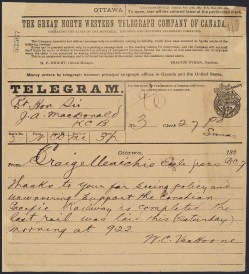 In this week’s poem, Cane takes the conceit and form of a telegram and subverts it to create a moving statement on mortality. The repetition of the word “STOP” — a direct allusion to the telegram form which would use this word to signal the end of a phrase or sentence — is expected given the title of the piece. Once the narrative of the poem begins to build, however, the word begins to carry with it an added sense of urgency. The practice of using “STOP” in telegrams increased during WWI in an effort towards clarity. In the context of a poem, this effort becomes less about clarity of a message and more of clarity of feeling.
Telegram to My Father – Tina Cane
YOU LOOK LIKE A GOYA STOP IN THE WATERY LIGHT STOP
CHEEKBONES SHARP SKIN THIN LIKE ONION PAPER STOP
BREATHING STOP SHALLOW STOP YOUR FINGERS FRAGILE DRUMMING
ON THE BEDSHEET STOP YOU ARE MOVING YOUR LIPS STOP TRYING
TO RIDE THE TIDE OF MORPHINE DRIP STOP UNCLE MARTY IS ON THE PHONE
MANIC IN STATEN ISLAND STOP PLEADING “YOU DECIDE YOU DECIDE”
JUST BELOW A SHOUT STOP THE FLUIDS I SAY STOP “WHY NOT ME?”
YOU ONCE QUIPPED “STOP” I SAID “WHY?” YOU SAID END
*
Happy pulsing!
José
Goodreads Book Giveaway
Small Fires
by Jose Angel Araguz
Giveaway ends August 10, 2017.
See the giveaway details
at Goodreads.
 This structural work creates a visual shape that has the eye “flutter” along with the concept, both moving the reader through the poem’s lyric narrative. The result is a poem that surprises by what it can evoke through its turns and images. From awe to “morning sadness” to finally wonder, this lyric sequence creates its intimacy in an indirect yet vivid manner.
 The Influence