Happy new year, y’all! The theme so far for 2023 seems to be difficulty: sometimes intense, sometimes fruitful, but always engaging.
Like a poem.
With this riff in mind, I’d like to give a shout-out to Sasha Pimental’s “If I Die in Juárez,” a poem that approaches difficult subject matter in an unexpected way.
Been approaching conversations about this poem in terms of it giving you a clue through the title’s specific city mention, Juárez, and then distancing away intentionally from its associations. This distancing is a risk that allows the imagery and language of violins to take on charged dual meanings as the poem develops.
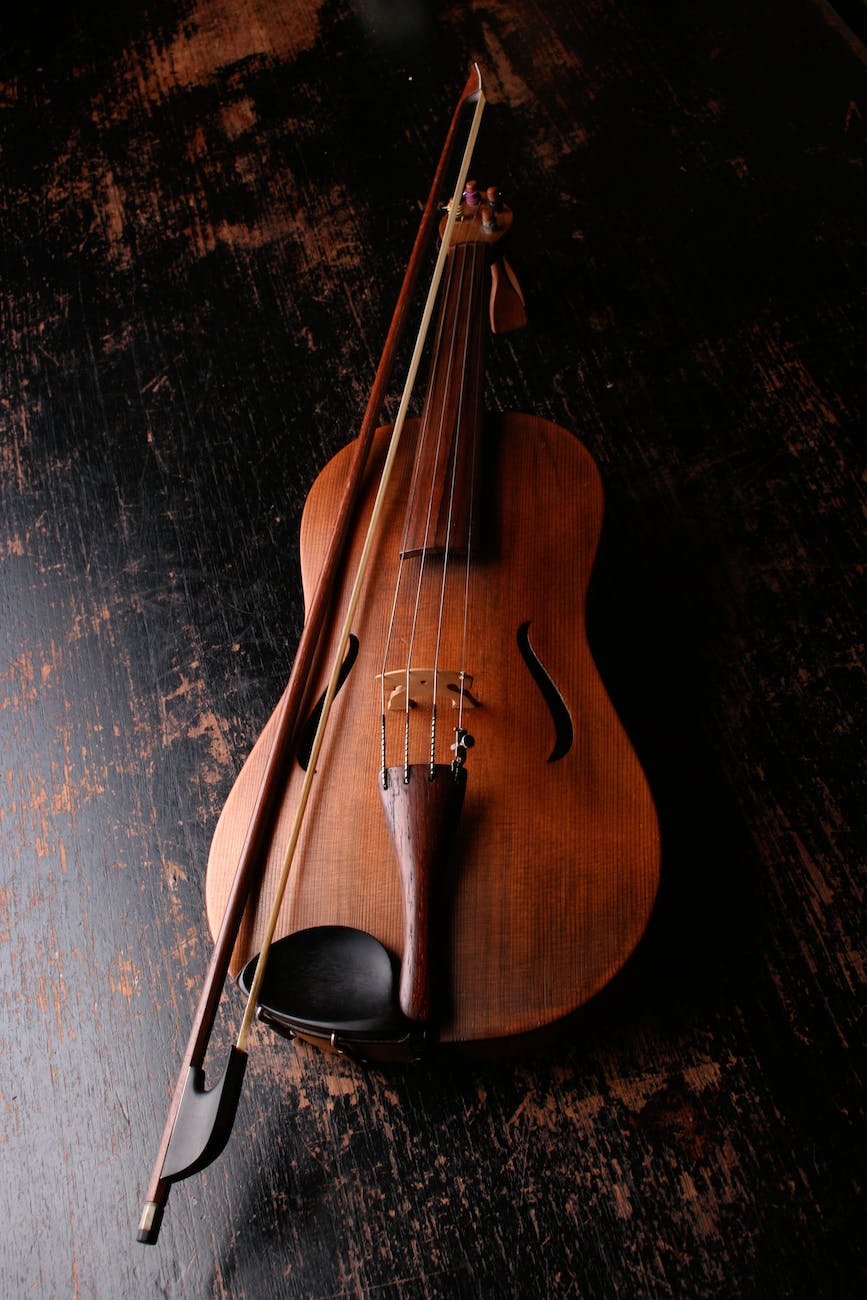
The opening lines, for example — “The violins in our home are emptied / of sound, strings stilled, missing / fingers.” — take on this work right away, with “emptied,” “missing,” and also “missing / fingers” taking on a stark set of meanings juxtaposed with the title.
On its own at the end of a line, “missing” invokes the ongoing history of femicide along the US / Mexico border. Then the latter “missing / fingers” rings out both in its evocation of a musician’s physical absence but also its implication of violence.
Even without knowledge of Juárez, one reaches the end of the poem with a haunted sense of something more than music being lost here. This haunted sense is what grounds the poem in its urgency. All the distancing through image and metaphor makes the city and its history all the more present, and offers the speaker a chance to voice the ultimate difficulty implied via the speculation of the title.
José
 What moves the poem into human resonance for me is the way this sound-play is put in the service of the speaker’s voice and their turns of statement and questioning. The lines “i live in music / is this where you live?” start the poem with a narrative step forward followed by a pause. This use of line break and pacing affects the reader in a visceral way; the lines evoke a human voice talking to and asking after the reader. This presence, along with the soundscape of the whole poem, lead to the poem’s ending “hold yrself / hold yrself in a music” in a way that emphasizes the urgency of these lines while living them out.
 The Influence