One of the things I’ve been thinking about lately is how form shapes attention.
In this attention-forward sense, form is the shape a piece of writing takes: how it moves, what it holds, what it refuses, what it makes possible. A poem or essay’s form can be a container, a pressure, an interruption, a permission. It can show us not only what a writer is looking at, but how they are asking us to look.
This applies to fixed forms, like the way writing a sonnet places you in conversation with the history of sonnets, as well as more exploratory forms. Poetic epistles, for example, take the intimacy of writing a letter and make that direct address a poetic space. TL;DR: choices in form affect the overall vibe.
I’ve had this on my mind as I get ready to teach my upcoming virtual workshop, The Shape of Attention: Exploring Form in Poetry and Prose, with The Notebooks Collective. I’ve also had it on my mind while celebrating two new books by poets whose work I admire.
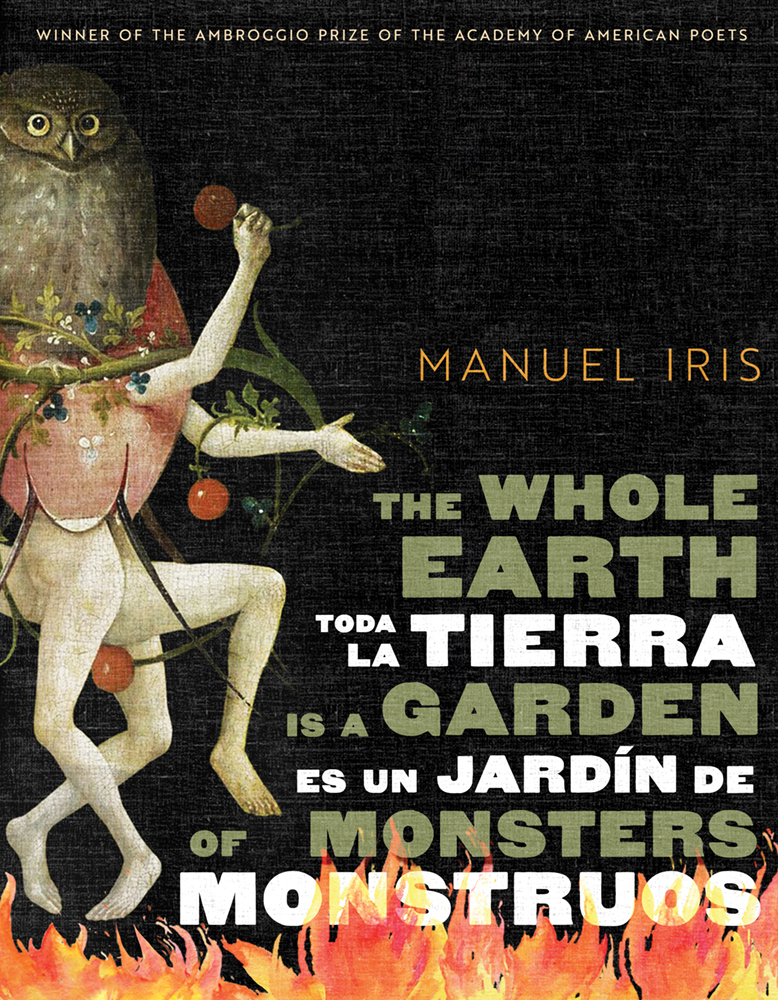
First, I want to shout out The Whole Earth Is a Garden of Monsters / Toda la tierra es un jardín de monstruos by Manuel Iris, forthcoming from the University of Arizona Press. I had the honor of writing a blurb for this collection, and I’m grateful to see it making its way into the world.
The book brings together the life and work of Hieronymus Bosch with the imagined life of a contemporary migrant worker, Juan Coyoc, later known as Juan Domínguez. What moves me about the collection is how its bilingual structure lets two lives and two historical moments echo across one another, asking what art can witness when violence, migration, family, and memory converge. In the excerpt “Burning,” the poem’s attention turns toward violence so extreme it becomes metaphysical, reminding us that hell is not only an inherited religious idea but something human beings are capable of making for one another.
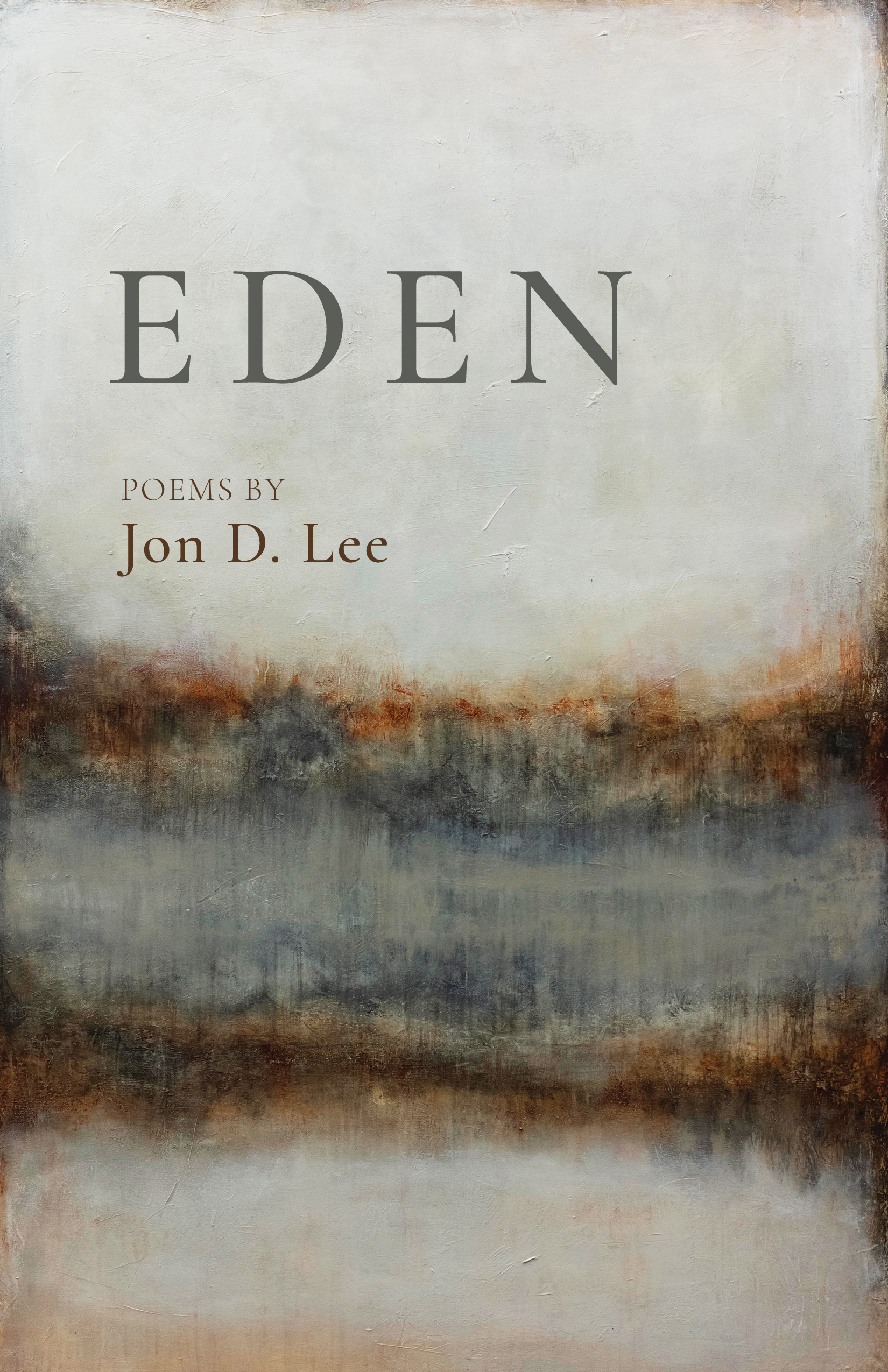
I also want to shout out Eden by Jon D. Lee, forthcoming from Finishing Line Press. Jon is a colleague at Suffolk University, and his work here enters into conversation with history, literature, suffering, inheritance, and the aftermaths of human violence. The excerpt published at The Paddock Review moves through Goya, Saturn, the body, power, fatherhood, devouring, and consequence. Its form, which includes deft incorporation of Miltonic blank verse, creates a field of pressure, where the movement of thought feels restless and exacting, unable to look away.
Thinking of these two works near each other, I’m struck by how both books approach ideas of hell, Eden, monstrosity, violence, and human existence through the shaping force of attention. Neither book turns away from horror. Neither treats suffering as abstract. Instead, each creates a form capable of holding difficult seeing.
That is part of what I mean when I say form shapes attention. A form can make us linger. It can make us look again. It can make room for grief, witness, indictment, tenderness, history, or awe. It can ask: What kind of shape is needed to face this subject? What kind of structure can hold what feels almost impossible to say?
Those are some of the questions we’ll explore in The Shape of Attention: Exploring Form in Poetry and Prose, happening Saturday, August 15, from 3–5 PM ET through The Notebooks Collective.

In this two-hour generative workshop, we’ll explore form as a practical and imaginative tool for writers of poetry, prose, and hybrid work. We’ll discuss how a piece’s shape changes what becomes possible on the page, then move through low-pressure prompts that approach form as a way to direct attention, create pressure, interrupt habit, and invite surprise.
The workshop is open to poets, prose writers, hybrid writers, and anyone curious about how structure can help us think, feel, remember, and discover. You don’t need to prepare anything in advance. Bring something to write with or on. You’re also welcome to bring a short draft, fragment, image, object, or memory you’d like to write from.
More information and registration are available through The Notebooks Collective.

