I wrote in my journal last night: Made it to August, no thanks to July. It’s been tough. If this is you and your situation as well, please know you’re not alone.
This week, I’m sharing some quick news as well as two new additions and an update to the Debate series of erasures I’ve been doing. Enjoy!
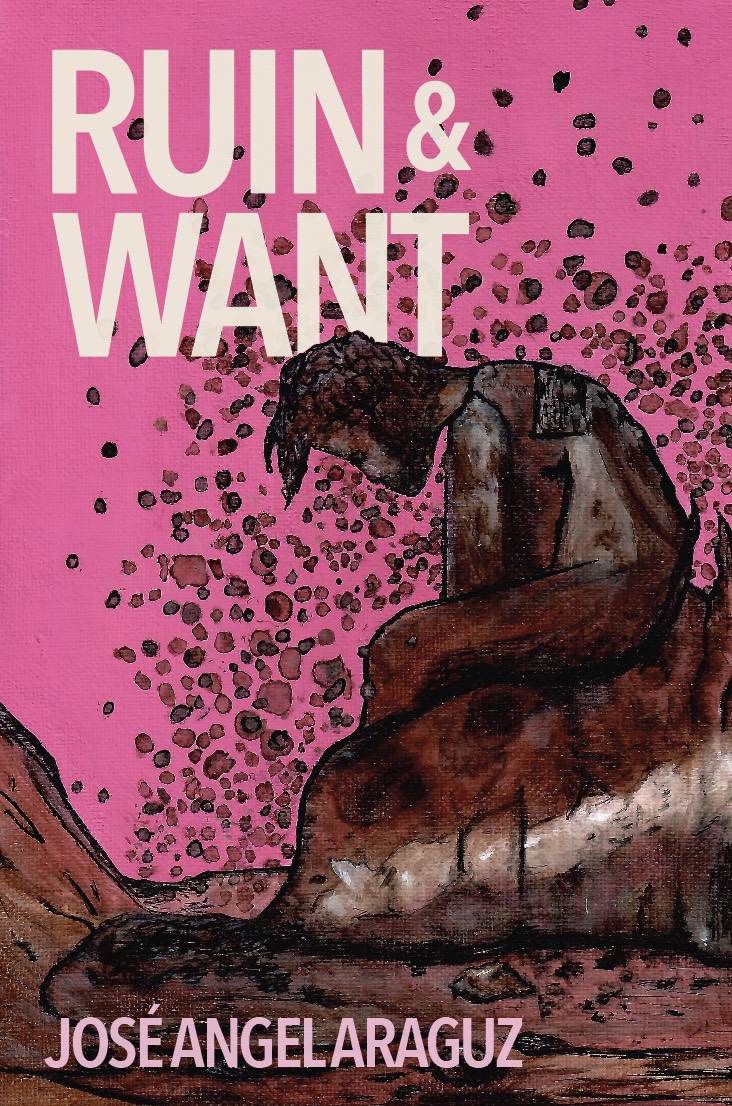
First up, I’m excited to share a review of my lyric memoir, Ruin & Want (Sundress Publications). Poet and translator Dana Delibovi was kind enough to spend time with the book and share some insights through her review “Exposing the Wounds” published by Cable Street.
One moment that stood out to me from the review:
An intriguing aspect of Araguz’s memoir is the set of connections forged between youthful and adult experience. Much of the book’s lyricism—its truly poetic quality—comes from the way it braids these phases of life. The adolescent’s high school affair sours or frustrates the adult’s search for love and identity. The adult hates looking back “because I cannot make it all cohere…cannot reconcile anyone’s intentions…cannot move forward without acknowledging the shame…” Growing up, moving away, getting an education all occur in the presence of pain that seems even more intense in the light of new experiences. As Araguz climbs upward toward noble things, the weight of what he carries is even harder to bear.
This passage stood out to me as the dynamic pointed out here–that of braiding different phases of life and sitting with what comes from the juxtaposition–feels like a key into the project. This idea also stands as a metaphor for life right now. Figuring things out. Making do with what you have.
Thank you to Delibovi for this review! Check out the review here and check out Dana Delibovi’s site for more info on their work.
I’m also excited to share about a local event next week featuring friend and poet Amelia Díaz Ettinger. She’ll be the featured reader at the Boston Poetry Slam @ The Cantab Lounge. Here are the deets:
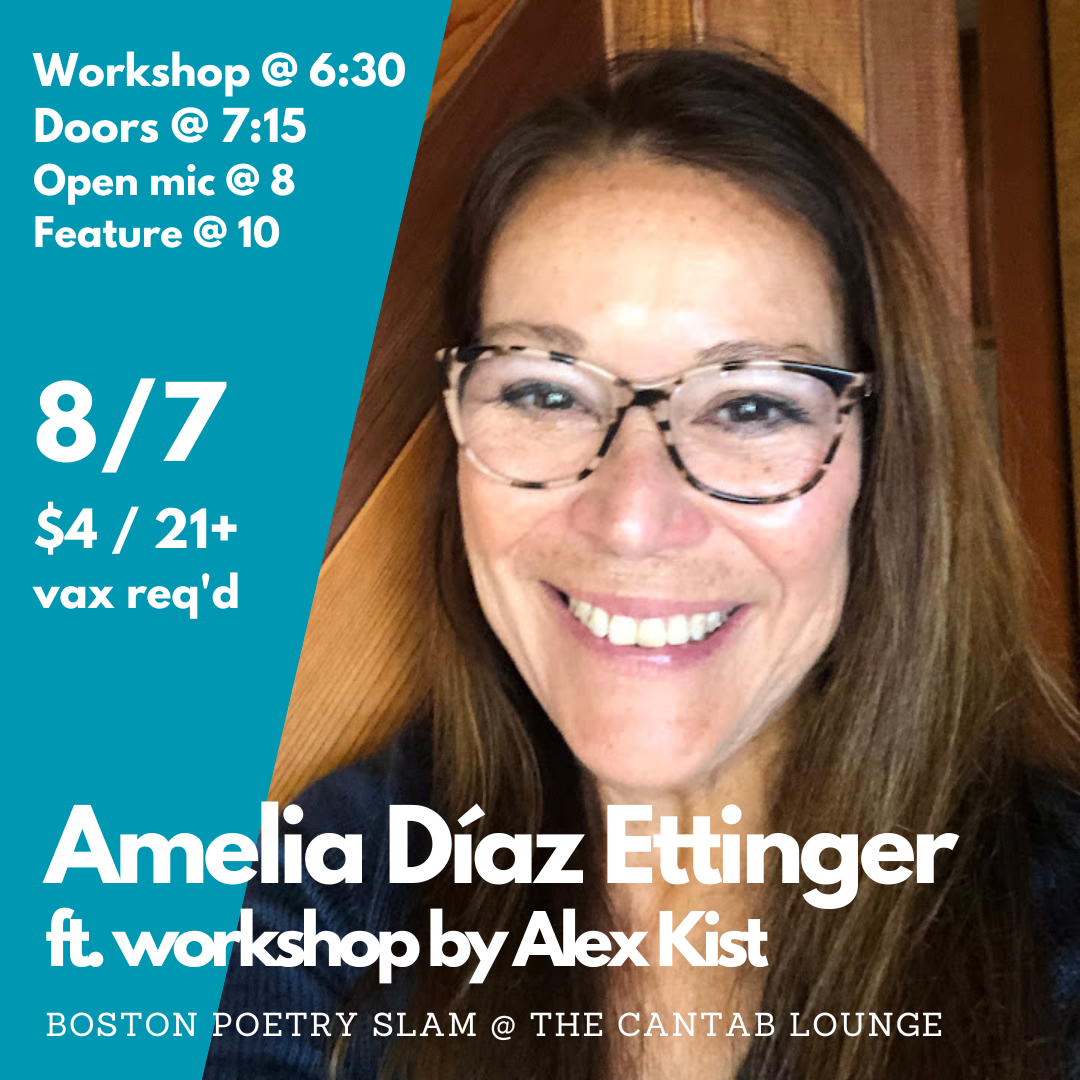
WHAT: Boston Poetry Slam @ The Cantab Lounge hosts Amelia Díaz Ettinger
WHEN: Wednesday, August 7th: workshop at 6:30PM; open mic at 8PM; feature at 10PM (all times EST)
WHO: Amelia Díaz Ettinger
WHERE: 738 Massachusetts Avenue, Central Square, Cambridge [directions]
I wrote about Amelia Díaz Ettinger and her work previously here on the Influence.
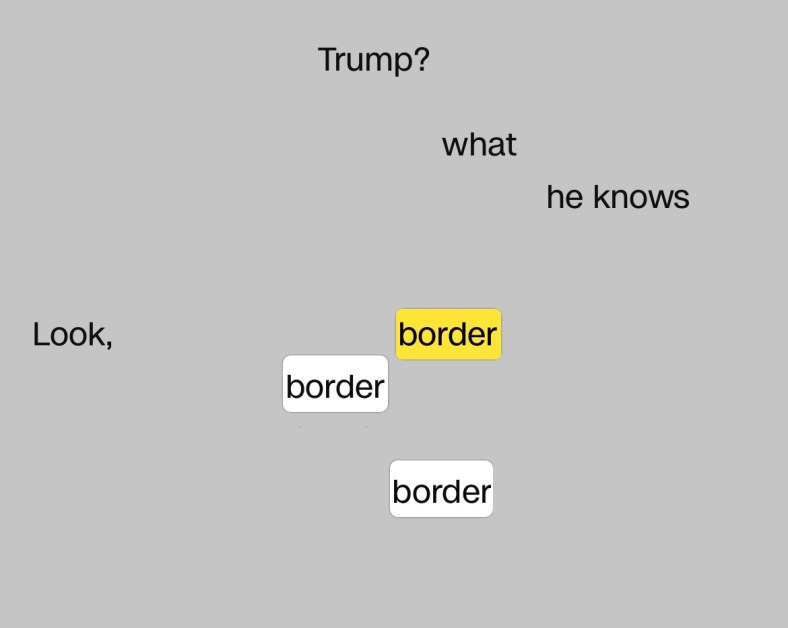
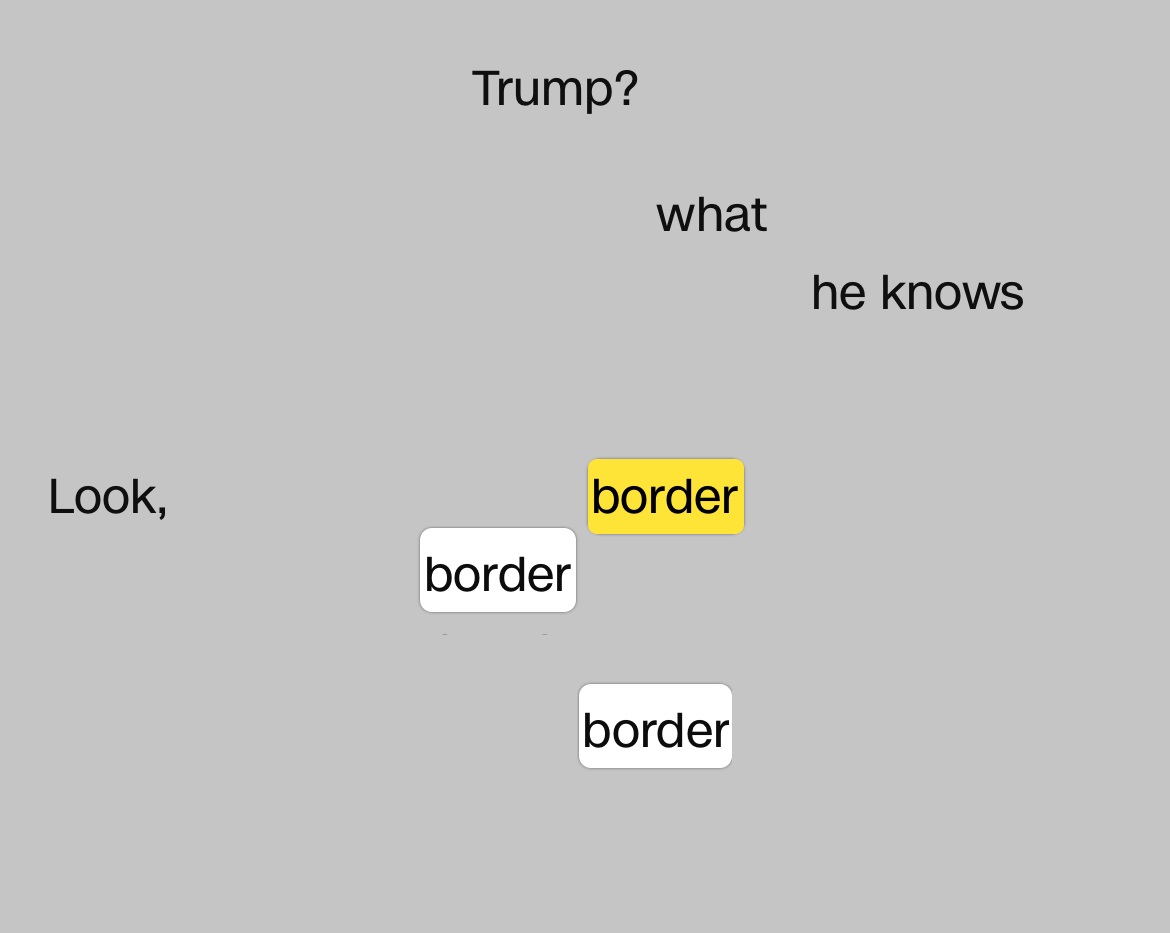
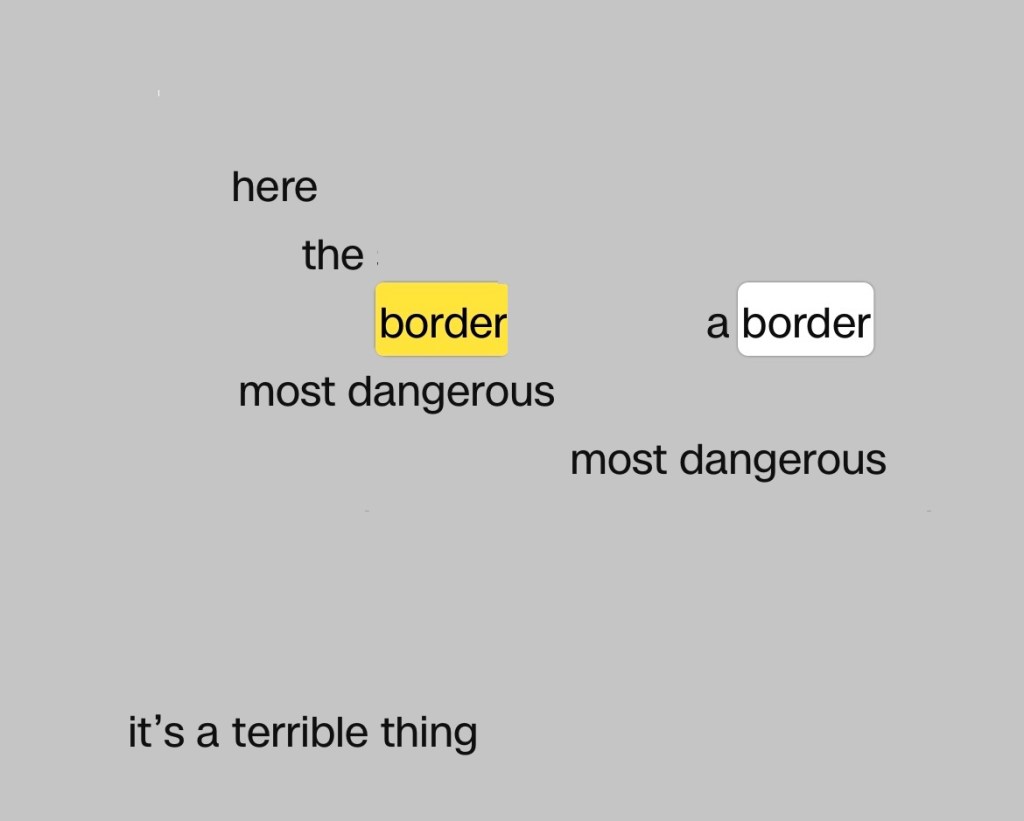
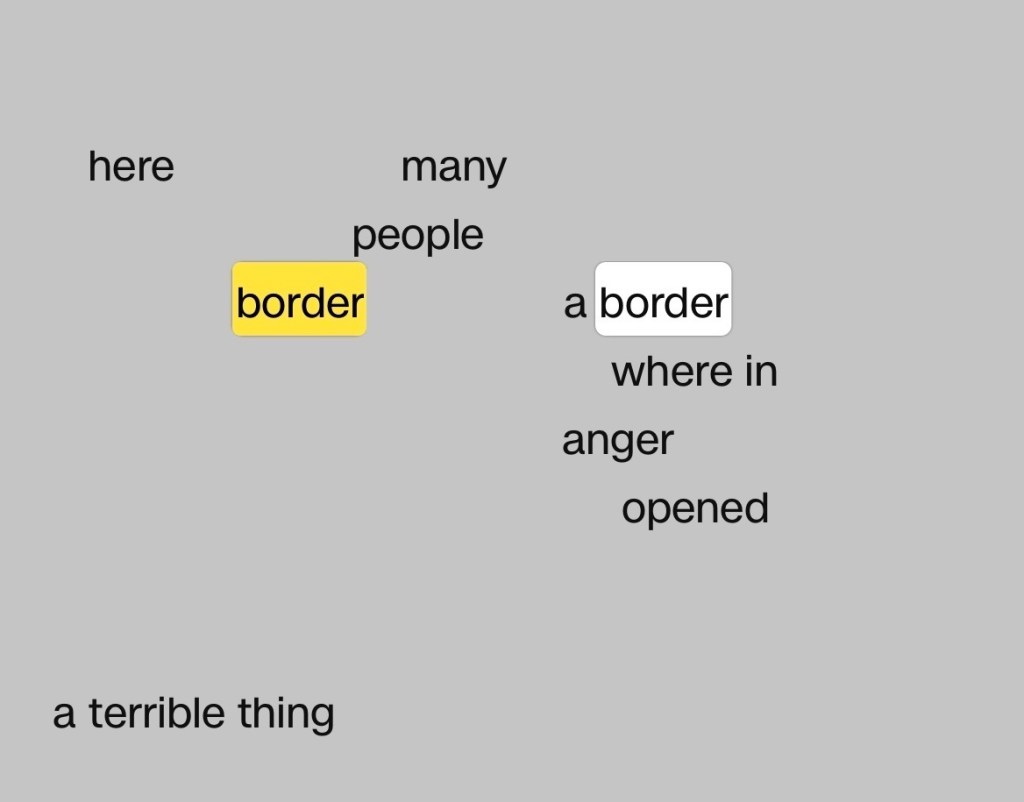
Finally, here are the latest additions in the Debate series (for more info on the series, check out the original post). A few updates to the project:
- First, I’d like to recognize that the presidential election (and the whole world it feels like) has changed since the first debate.
- That said, both sides continue to place emphasis on the border in their campaign speeches and talk.
- For that reason, I plan on continuing with the project and eventually have a series that includes the 38 times the word “border” was said during the debate.
- Essentially: despite the change in circumstances, the theme of the project holds.
- Also: I have decided to do only one erasure per screenshot where formerly I was hoping to do two from each. This change is mainly practical, but also feels right due to the changes mentioned above.
All that said: Please enjoy the latest additions to the Debate series below!
Debate Series: parts 4 & 5

Abrazos,
= José =


 The Influence