While “The Red Wheelbarrow” remains one of his more popular poems – and one that confounds students to this day, usually leading to the question Why is that a poem? (to which I usually respond with Why not?) – read enough William Carlos Williams and you’ll see how multifaceted his body of work is. In this week’s poem, “Dedication for a Plot of Ground,” Williams is able to whirlwind through the details of a human life and have them stand with as much vividness as the more nuanced image of
a red wheel
barrow
glazed with rain
water
Two weeks ago I shared a poem by Blaise Cendrars in which I discussed the use of lists in poetry and life. Williams’ use of a list in this week’s poem opens up and gives a second life to a person through his own singular way with specificity.
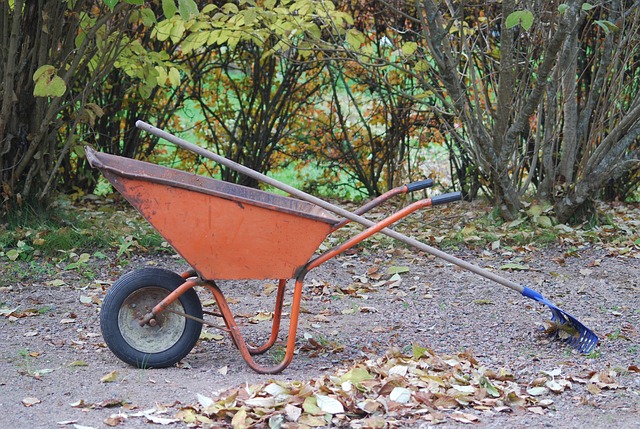
* este wheelbarrow *
Dedication for a Plot of Ground – William Carlos Williams
This plot of ground
facing the waters of this inlet
is dedicated to the living presence of
Emily Dickinson Wellcome
who was born in England; married;
lost her husband and with
her five year old son
sailed for New York in a two-master;
was driven to the Azores;
ran adrift on Fire Island shoal,
met her second husband
in a Brooklyn boarding house,
went with him to Puerto Rico
bore three more children, lost
her second husband, lived hard
for eight years in St. Thomas,
Puerto Rico, San Domingo, followed
the oldest son to New York,
lost her daughter, lost her “baby,”
seized the two boys of
the oldest son by the second marriage
mothered them—they being
motherless—fought for them
against the other grandmother
and the aunts, brought them here
summer after summer, defended
herself here against thieves,
storms, sun, fire,
against flies, against girls
that came smelling about, against
drought, against weeds, storm-tides,
neighbors, weasels that stole her chickens,
against the weakness of her own hands,
against the growing strength of
the boys, against wind, against
the stones, against trespassers,
against rents, against her own mind.
She grubbed this earth with her own hands,
domineered over this grass plot,
blackguarded her oldest son
into buying it, lived here fifteen years,
attained a final loneliness and—
If you can bring nothing to this place
but your carcass, keep out.
***
Happy bringing!
Jose
p.s. Read an article on the recent discovery of the man behind “The Red Wheelbarrow” here.

 The Influence