In an interview with Grace Cavalieri, Kay Ryan talks about a certain “chill” and restraint she feels is necessary to writing:
I sometimes compare the chill to say, if you put an ice cube on your hand, your hand – your skin would turn pink when you took the ice cube away, and you’d see that your skin was pink where you’d had that ice, because your blood is all sent to where the chill was. So that if you have a somewhat chilly surface in work, it brings the reader’s blood to that place.
I’ve been fascinated by this quote for years now. I admire what it honors about language, its ability to have an effect, to draw meaning to itself, and how, even with restraint, language remains as intimate as ice on skin.
I also enjoy what Ryan’s words make me think about in regards to writing about personal material. In a way, a writer is always negotiating how much of their personal life they put into their work; and because even writers are humans, and as humans things are messy, never strictly one way or another, language remains fluid, directed rather controlled by how we use it.
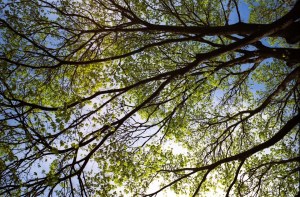 I’m always fascinated by this idea of personal and creative negotiation and how it plays out across a poet’s work. This week, I’m sharing two poems by Barry Spacks. Both poems stood out to me in my reading of his book Spacks Street: New & Selected Poems, enough to write them out in my notebook. What fascinates me looking back at these two poems specifically is how different yet connected they are.
“Poem” is as enigmatic as its title in terms of what it is about, working as an ars poetica almost, a meditation on the fluidity of language. “At 35,” on the other hand, delves into specifics, ideas of age, fatherhood and son-hood. Where these two poems connect is in their haunted tone. Whether contemplating the abstract or the personal, these poems by Spacks are charged with intimate lyrical sensibility.
*
Poem – Barry Spacks
Will it come again like this?
Will we ever get it right?
It is always as it is,
And it passes.
Never as it was,
Yet always somehow bright,
Always somehow sweet
In its changes.
We will never get it right.
It will come, but not like this.
It is always as it is,
And it changes.
*
At 35 – Barry Spacks
Father, what would you make of me? I wear your face.
I hear my cough and think the worms have sent you home.
Here at my table in my insubstantial house,
your myth of hope,
the piece of man you left,
I live your death
stroke for stroke.
There are no vows you did not keep I will not break.
I leave no darkness unacknowledged for your sake.
You are the school I teach. The course I take.
I move toward age, and you become my son.
Along the path ahead
you lift aside
the branches.
*
To learn about the work of Barry Spacks go here.
 From the image of the “last tear” made of glass, the speaker begins an inventory of comparison images, each with its own metaphoric charge. The glass tear becomes “ice” that “doesn’t thaw”; then becomes a tooth; and so on. The eleven lines in which these images travel through pass by with such urgent enjambment, one is shook at the end by the rush of meaning and significance. This rush and tumble evokes the emotional tumult beginning for the boy in the poem, who himself is having to catch up with what has passed.
 The Influence