I revisited this week’s poem – Hart Crane’s “Chaplinesque” – this summer reading through Mary Ruefle’s “Madness, Rack, & Honey.” In the book, she points to the sentimentality of the poem, how it makes the campy humor of Chaplin and the image of a kitten and raises them to their proper place, which is simply a place of consideration. That each of us here simply to be seen and heard.
On the technical side, Crane’s always up to something metrically. Here, I like how he sneaks in a six beat line into every stanza except for the first and last, the mix of rhythms evoking Chaplin’s signature walk a bit.
(Spooky and coincidentally: Ruefle and Chaplin share the same birthday).
Later in the same essay, she states that if someone says your poem is sentimental, it probably means it isn’t sentimental enough. Committing to that impulse and seeing sentimentality through to what’s at stake is the challenge. And the only way to see and hear one’s self.
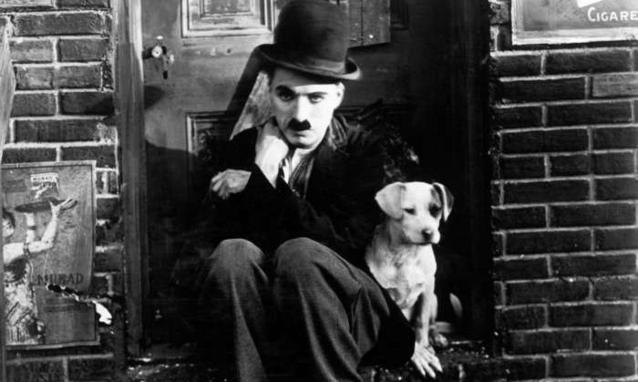
* liked the poem til I pointed out the thing about the meter *
Chaplinesque – Hart Crane
We make our meek adjustments,
contented with such random consolations
as the wind deposits
in slithered and too ample pockets.
For we can still love the world, who find
a famished kitten on the step, and know
recesses for it from the fury of the street,
or warm torn elbow coverts.
We will sidestep, and to the final smirk
dally the doom of that inevitable thumb
that slowly chafes its puckered index toward us,
facing the dull squint with what innocence
and what surprise!
And yet these fine collapses are not lies
more than the pirouettes of any pliant cane;
our obsequies are, in a way, no enterprise.
We can evade you, and all else but the heart:
what blame to us if the heart live on.
The game enforces smirks; but we have seen
the moon in lonely alleys make
a grail of laughter of an empty ash can,
and through all sound of gaiety and quest
have heard a kitten in the wilderness.
***
Happy sentimenting!
Jose

 The Influence